
⚠️ Emergency Service Available 24/7

Effective Iguana Removal Services in South Florida

Iguanas may look harmless, but they can cause serious property damage and landscape destruction. Wildlife Services provides safe and professional iguana removal throughout South Florida to protect your yard, seawalls, and structures from costly damage.

230+ 5-Star Reviews

Licensed & Insured

20+ Years Experience

Residential & Commercial

By Submitting this information, you agree to our terms and conditions
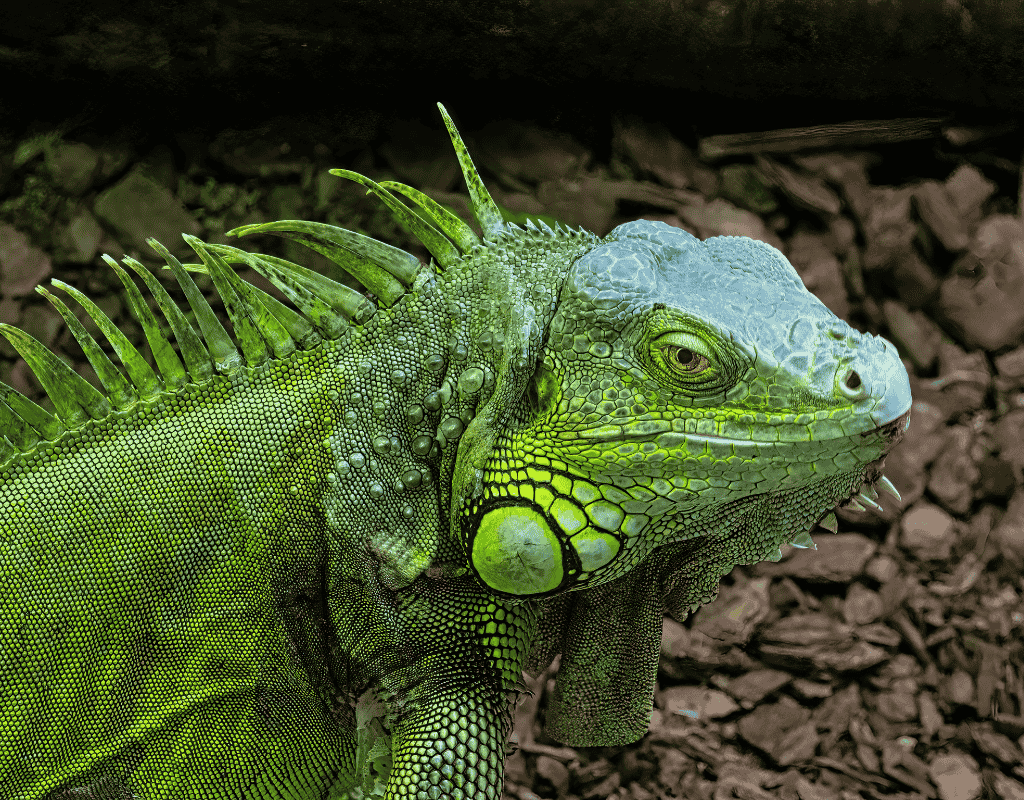
EVERY WILDLIFE SITUATION IS DIFFERENT

Targeted Iguana Control That Works

Iguanas are invasive in South Florida and reproduce quickly. Our removal process focuses on immediate control and long-term prevention to keep your property secure.
LOCAL EXPERIENCE MATTERS

South Florida’s Iguana Control Specialists

We understand iguana behavior, nesting areas, and feeding patterns common in South Florida. Our experienced team uses proven strategies to remove iguanas safely while minimizing disruption to your property.
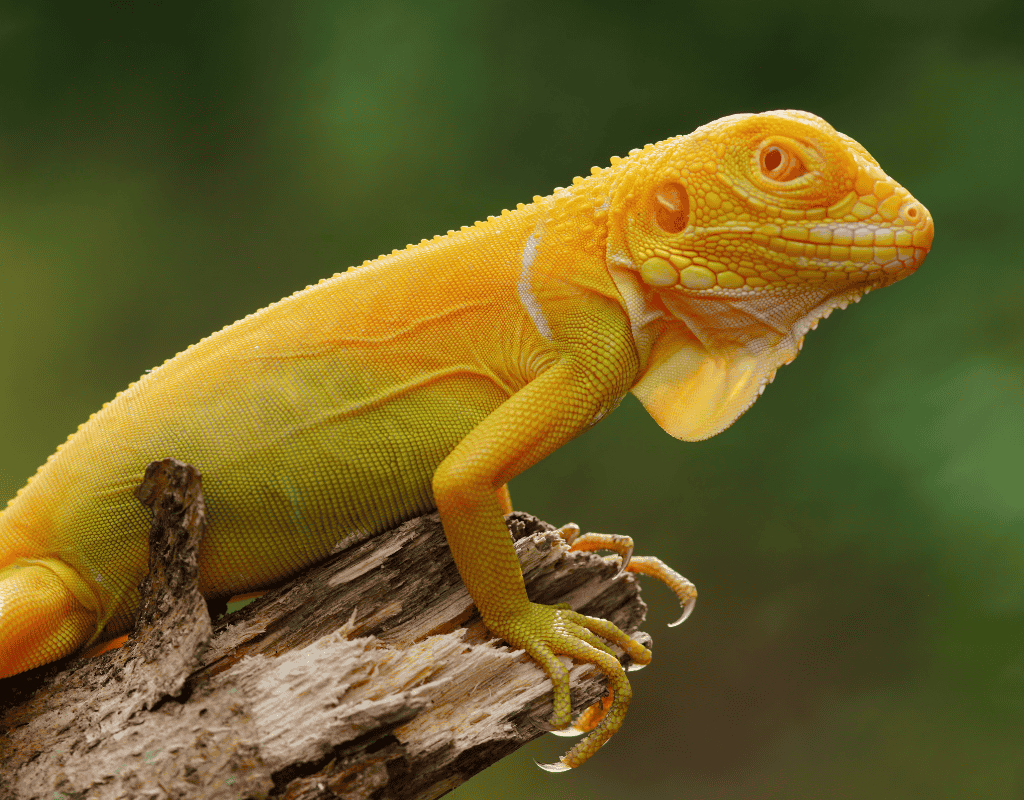
FREQUENTLY ASKED QUESTIONS

Iguana Removal FAQs in South Florida

Iguanas are a growing issue in South Florida. Here are answers to common questions property owners ask about professional iguana removal services.
Yes. Iguanas burrow into seawalls, damage foundations, destroy landscaping, and leave droppings that can carry bacteria. Over time, their tunneling can weaken structures and create costly repairs if not addressed promptly.
Yes, iguanas are considered an invasive species in Florida, and humane removal is permitted. Our team follows state regulations and ensures all removal methods are compliant and ethical.
Iguanas are attracted to food sources, water, and warm nesting areas. Without proper control and deterrents, properties near canals or landscaped areas often experience recurring activity.

Response time depends on the severity of the issue, but we offer prompt scheduling in South Florida and can often begin removal quickly to reduce damage risks.

While no method guarantees permanent elimination, we provide recommendations such as habitat modification and deterrents to significantly reduce repeat infestations.